

The Emotional Life of Materials
Why do materials move us, beyond the purely visual? They carry atmosphere, memory, depth and feeling…
Long before we analyse a room in terms of technical design, we respond to it, sometimes almost physically.
We immediately feel the coolness of stone, the warmth of timber, the sharpness of metal, the softness of leather, the way glass seems to hold light and release it again. Materials speak to us before we have quite found the words for them, and they have a life beyond appearance.
This is why the choice of material in an exceptional home is firstly emotional, and never simply decorative.
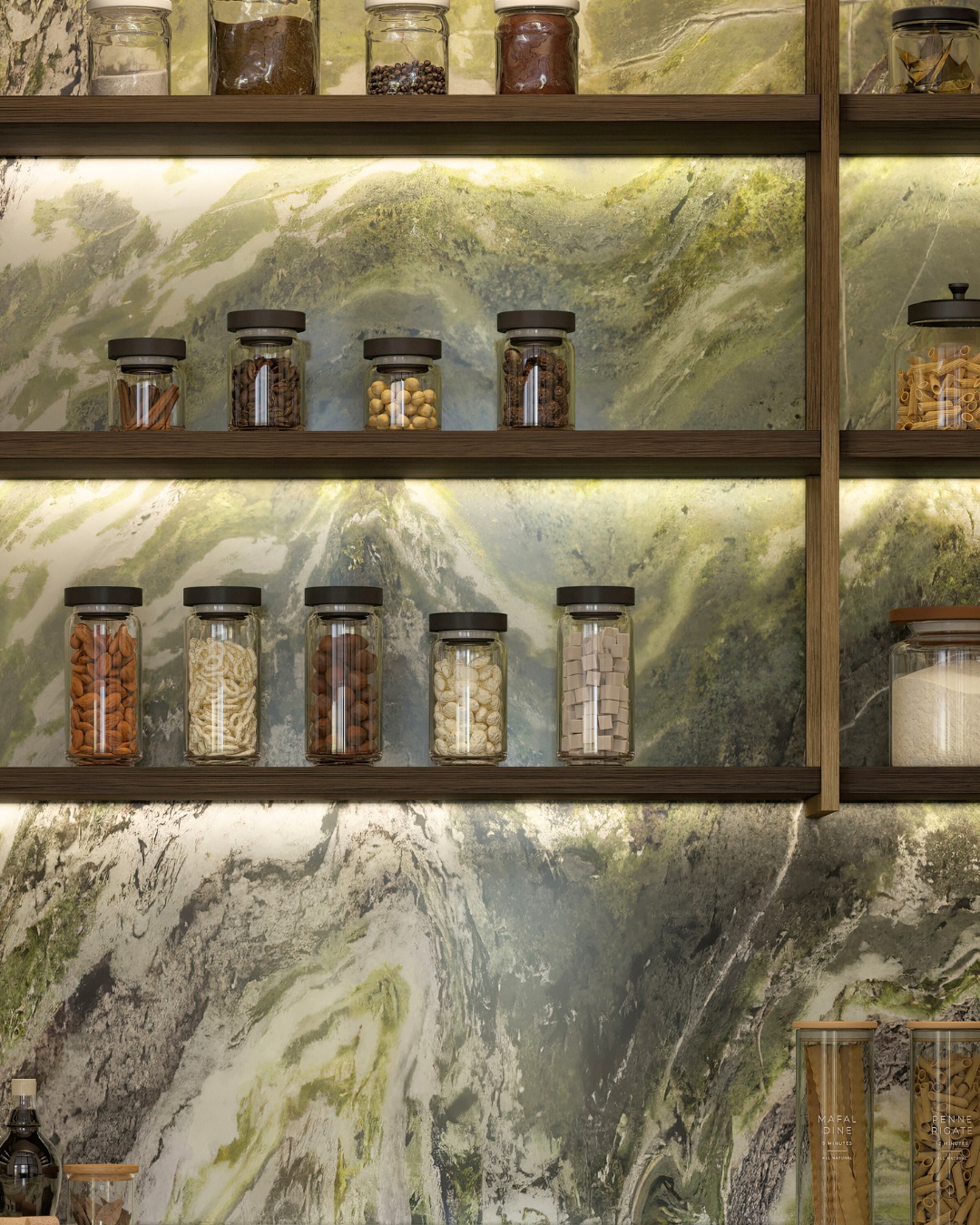
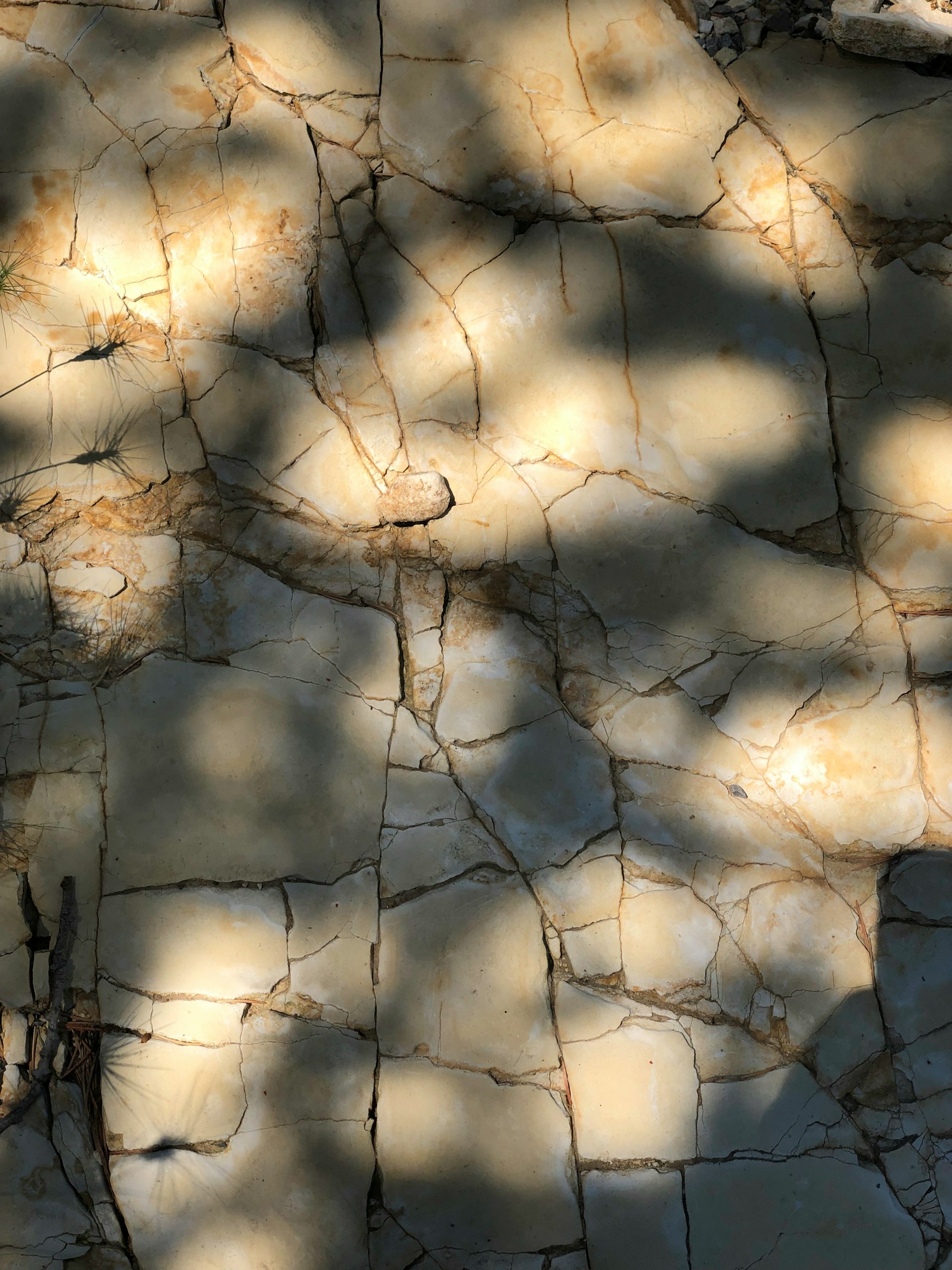
Stone, for example, brings with it a sense of deep time. Even when cut, polished and precisely placed, it retains something of the earth: its weight and permanence. A marble surface in a kitchen or bar introduces gravity and taps into something as old as the planet – you might even say, a sense of the geological sublime.
And in marble, the veins and patterns give a sense that natural materials – even those hewn from quarries – are never entirely still. They contain a certain movement, frozen in place.
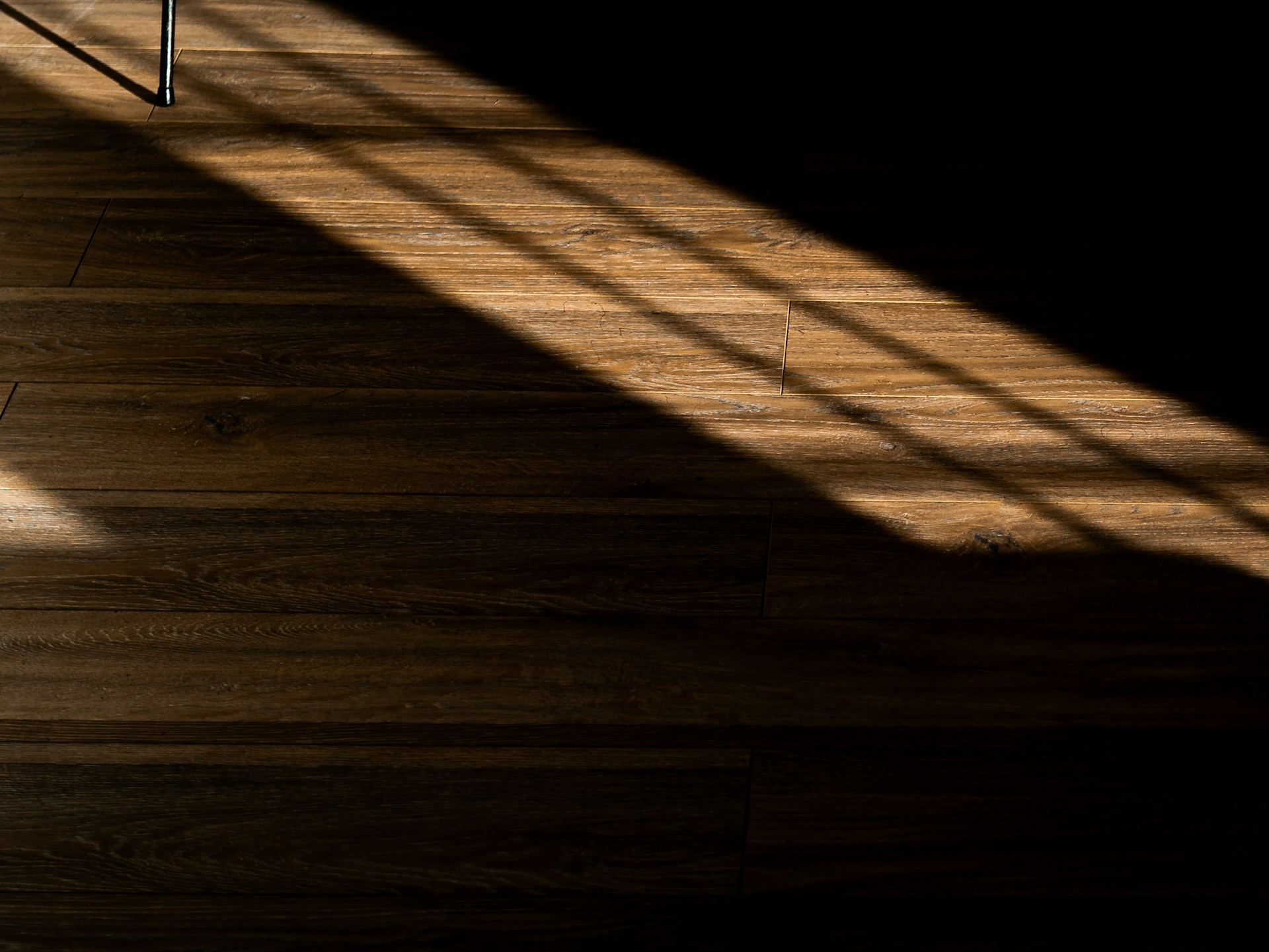
Timber works on us differently. It was once alive, and perhaps we feel that, even without thinking about it. The grain records growth, weather, age and time. Oak, walnut, elm or ash each has its own temperament: pale or dark, calm or dramatic, formal or enveloping. In cabinetry, panelling or a dressing room interior, timber can soften architecture and bring the outside world into the most carefully composed interior.
Metal brings another register again. It has edge, line, coolness, control. A fine brass detail, a bronze frame or a darkened metal shadow gap can sharpen a room. Metal often works best when it is almost restrained: a glint or a border.
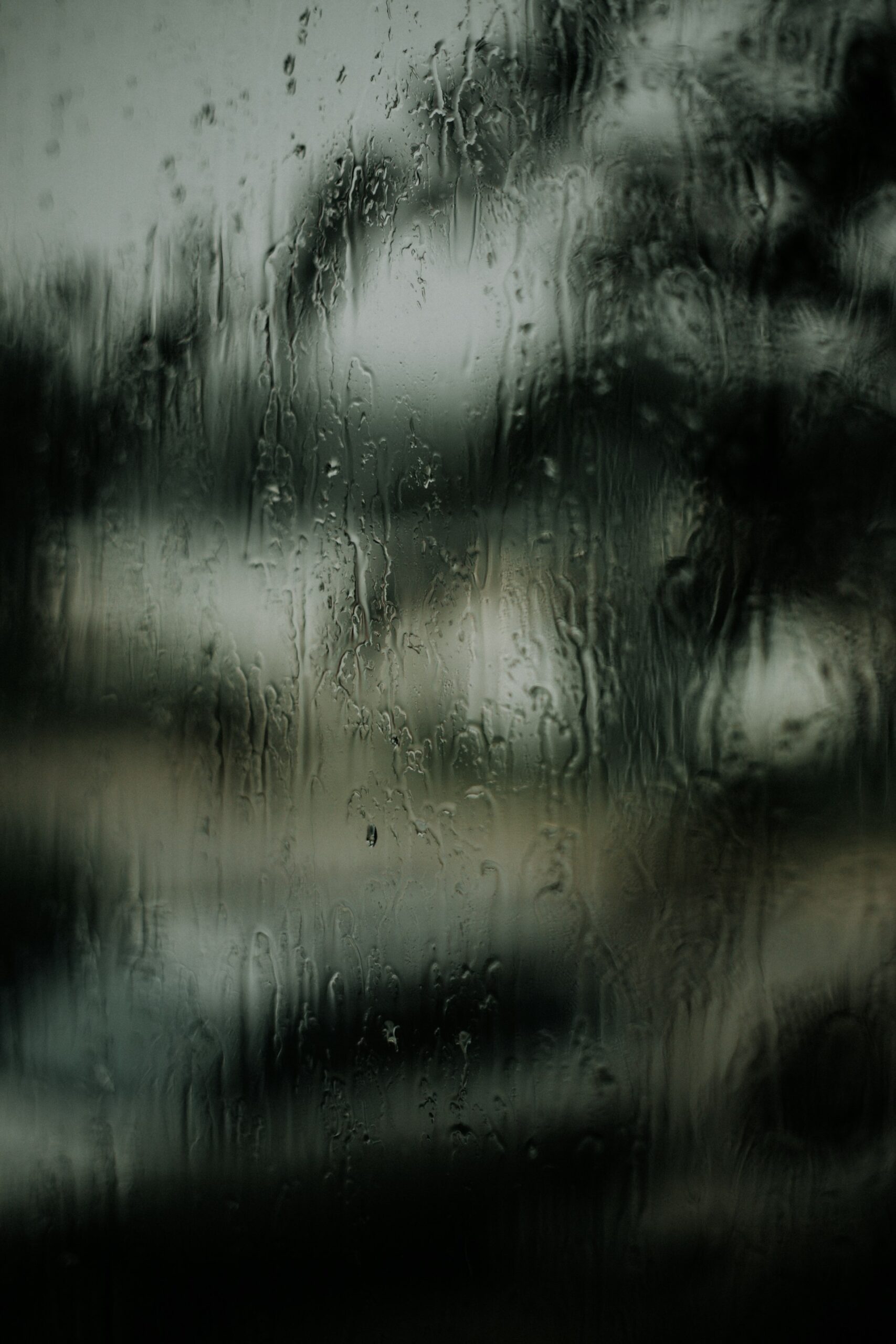
Glass is stranger still. It can disappear and still change everything. It can reveal, conceal, reflect, divide, lighten or deepen a composition. In a cabinet, bar or library, glass changes the relationship between what is shown and what is hidden. It creates layers and allows a room to feel more open, or more mysterious.
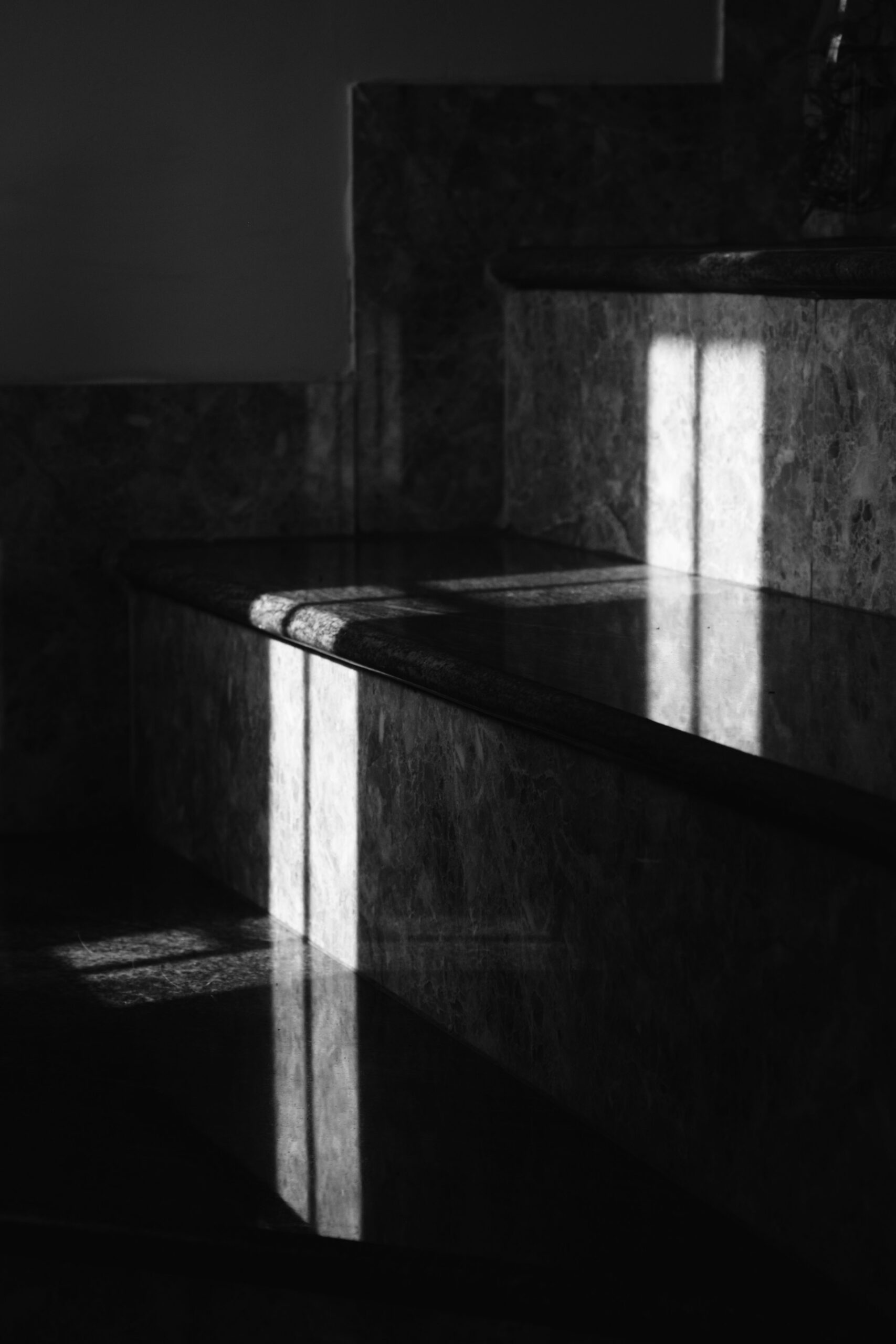
Perhaps what moves us in materials is partly their human history. Long before design vocabulary, there was stone beneath the hand, wood as shelter and warmth, metal as tool and ornament, glass as a kind of captured light. These associations may sit very deep in us. We do not need to name them to feel them.
There is also memory. A dark timber room may feel protective because it recalls libraries, clubs, old houses or half-remembered places of retreat. A pale stone surface may feel calm because it suggests cliffs, churches, courtyards or summer light. Brass and bronze may carry the atmosphere of age, ceremony and touch.
Materials do not have fixed emotional meanings; they are more like instruments, capable of different notes. Their effect changes with light, proportion, context and how they are combined. The same marble can feel theatrical in one room and serene in another. The same timber can be architectural, rustic, formal or sensual. Materials are not symbols with a single meaning. That is why material choice requires judgement rather than formula.
This becomes especially powerful in whole-home design, where materials can create different emotional worlds within the same architectural language. The same material can move through the home and change character as it goes.
For Langstaff, this is central to The Architecture of Living. Bespoke fitted furniture is not simply made from beautiful materials; it gives those materials architectural purpose, allowing them to shape the character of a room and the emotional life of a home.
Materials give a place more than finish; they give it memory, presence and soul.
Read more: Material Intelligence
Book an Appointment
Get in touch today to arrange a personal design consultation in your home or an appointment to visit the Langstaff studio.
Book an appointment
Get in touch today to arrange a personal consultation in your home or an appointment to visit the Langstaff studio.
