

The Architecture of Living
Exceptional homes are not defined by furniture alone, but by the intelligence with which architecture, materials, craft and atmosphere are brought together.
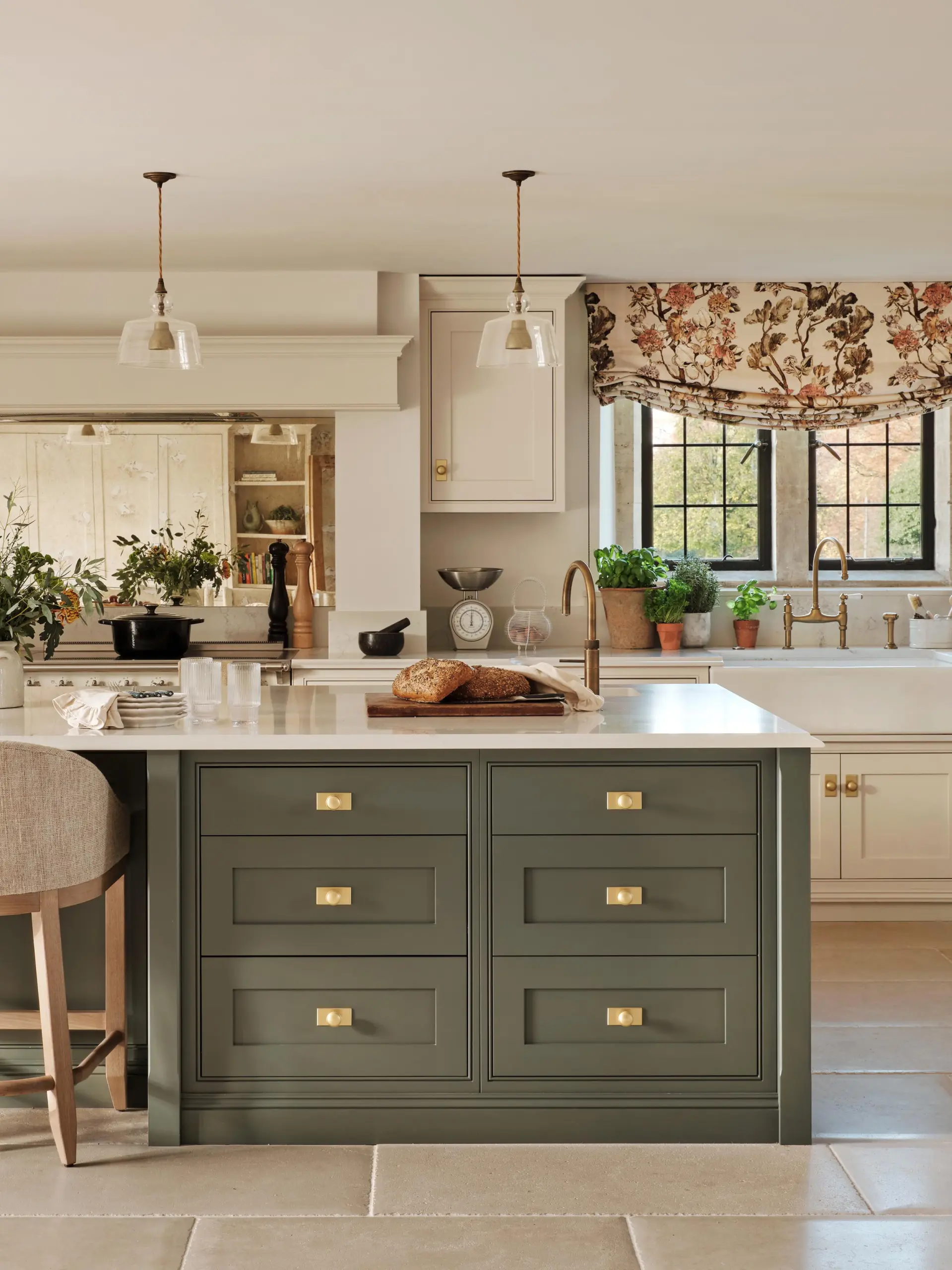
In the finest interiors, fitted furniture is never simply an addition to a room. It is not a decorative afterthought, nor a collection of useful pieces arranged around the edges of a space. At its best, it becomes part of the architecture itself.
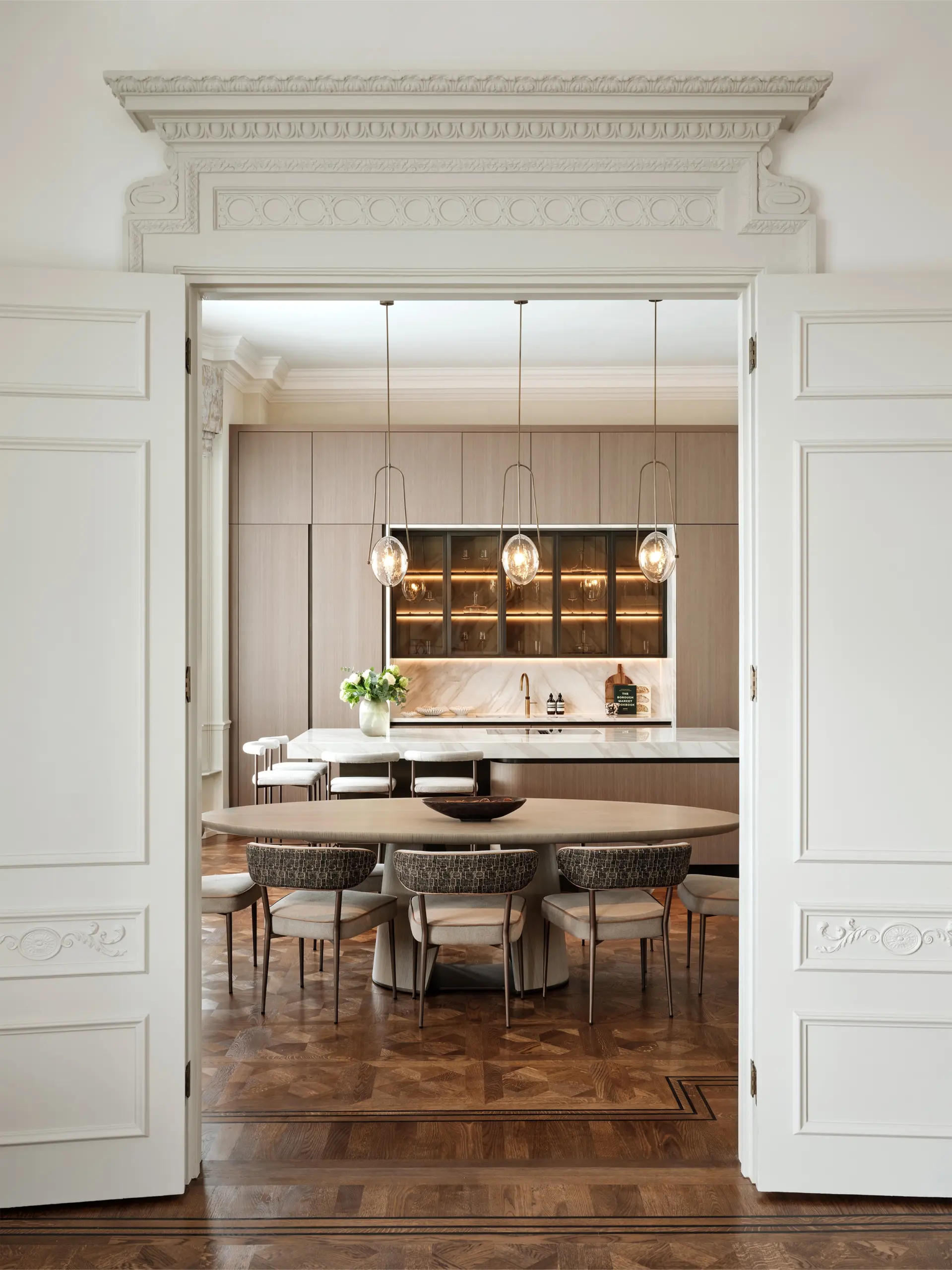
Each rooms is part of a conceptual whole. For example, a kitchen may shape the rhythm of an entire ground floor; while a dressing room may influence the experience of privacy, ritual and retreat. A library may bring gravity and intimacy to a house. A pantry, study, utility or boot room may seem secondary in name, yet each can contribute to the atmosphere and coherence of the whole.
This is the territory Langstaff occupies: not furniture as object, but furniture as architecture.
Furniture as part of the fabric of the home
To think architecturally about fitted furniture is to begin with the space itself.
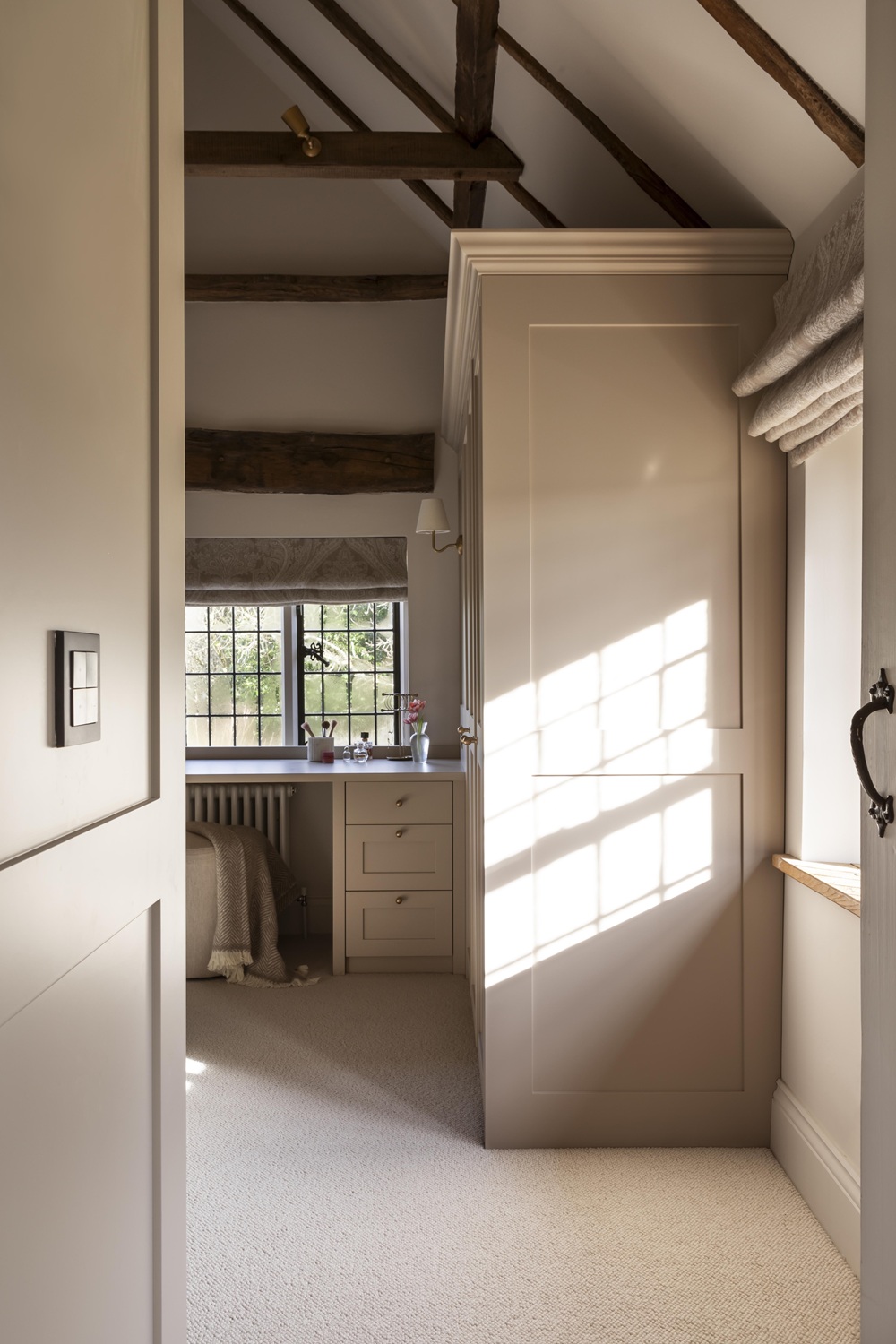
We must consider its proportions and its sightlines; the way light enters and moves through it; the relationship between one room and another. We must understand the character of the building, whether period or contemporary. We must think about the materials that are already present, and those that might bring new depth, contrast or continuity.
Architectural furniture has to do more than fit a wall or frame an appliance. It must belong to the building. It must respect scale, reveal structure, guide movement and create a sense of inevitability, as though it could not have been designed any other way.
This does not mean imposing a single style – quite the opposite. The best architectural thinking allows for great aesthetic range because it begins with context. A Georgian townhouse, a country estate, a contemporary villa and a restored barn may each call for a different language of form, finish and detail. What unites the many different appearances is intelligence.



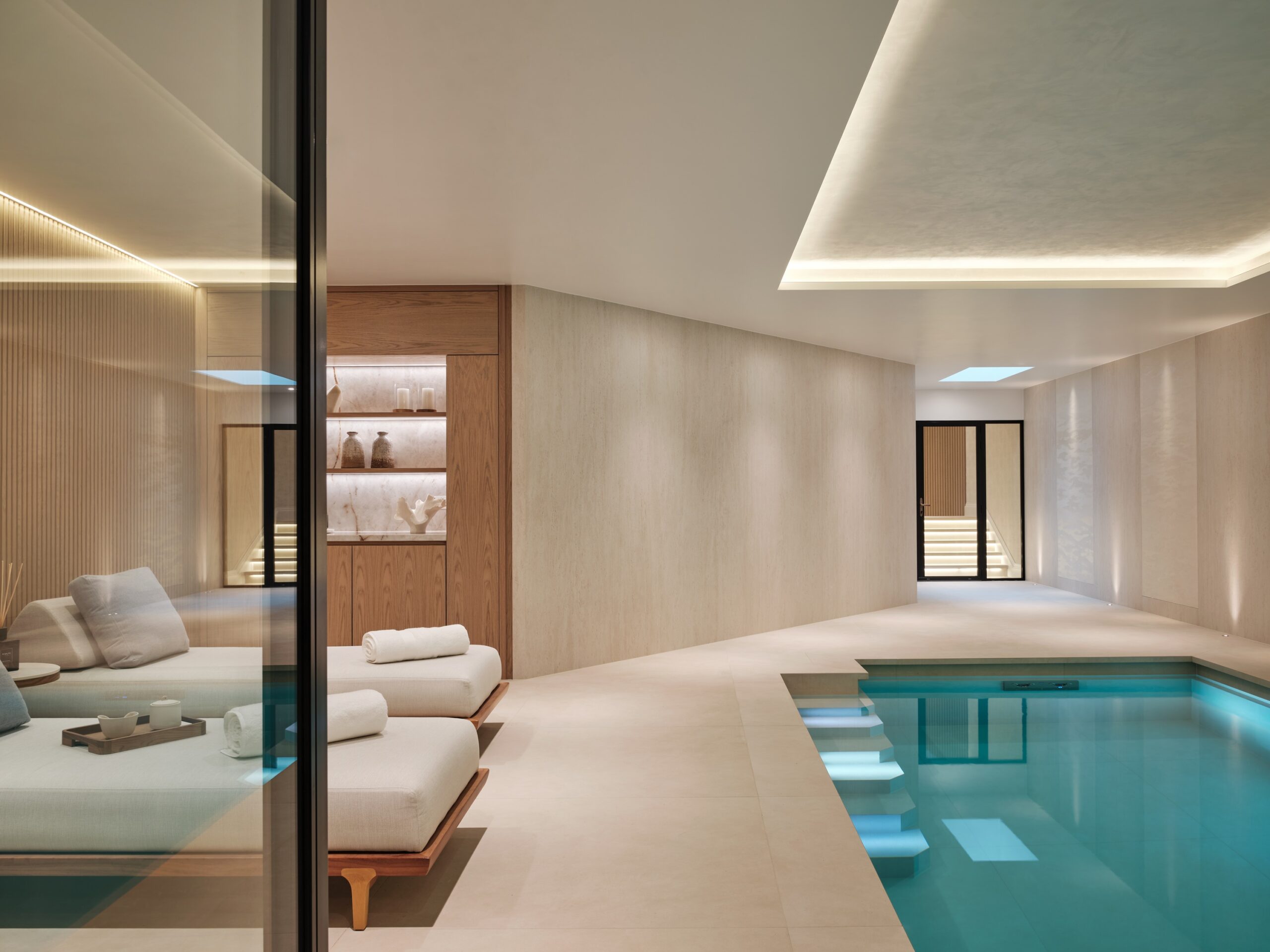
The art of inhabiting a remarkable place
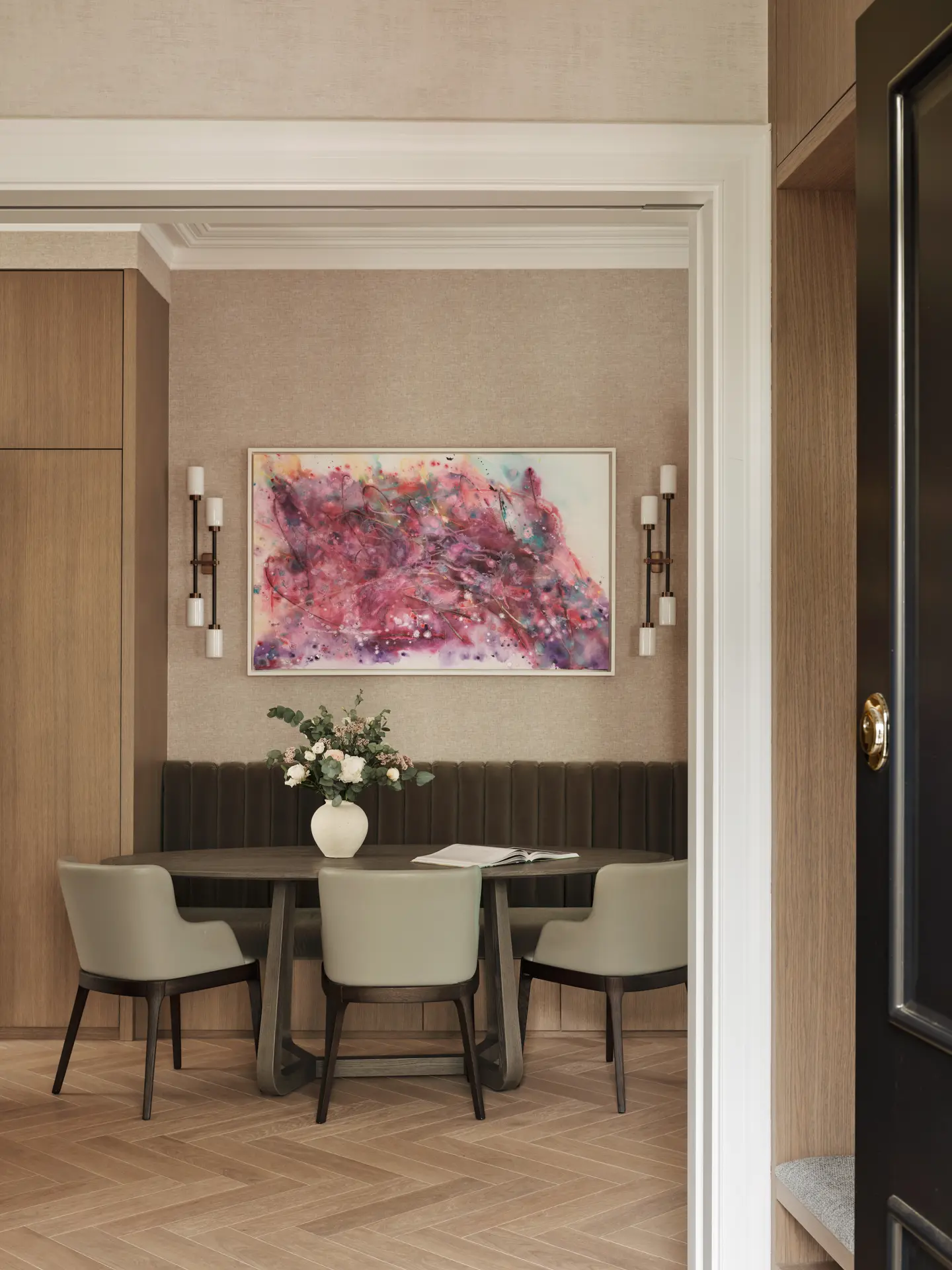
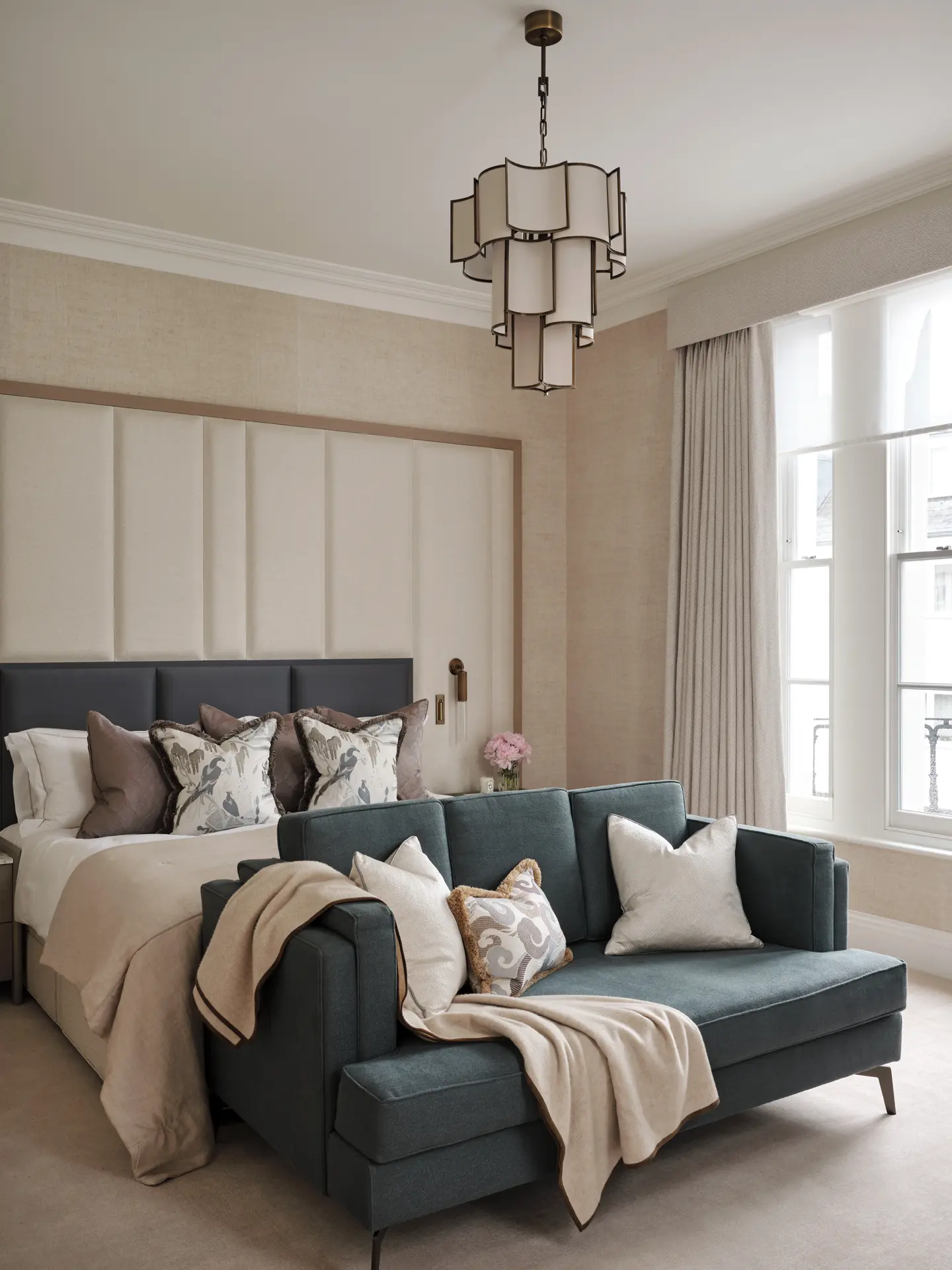
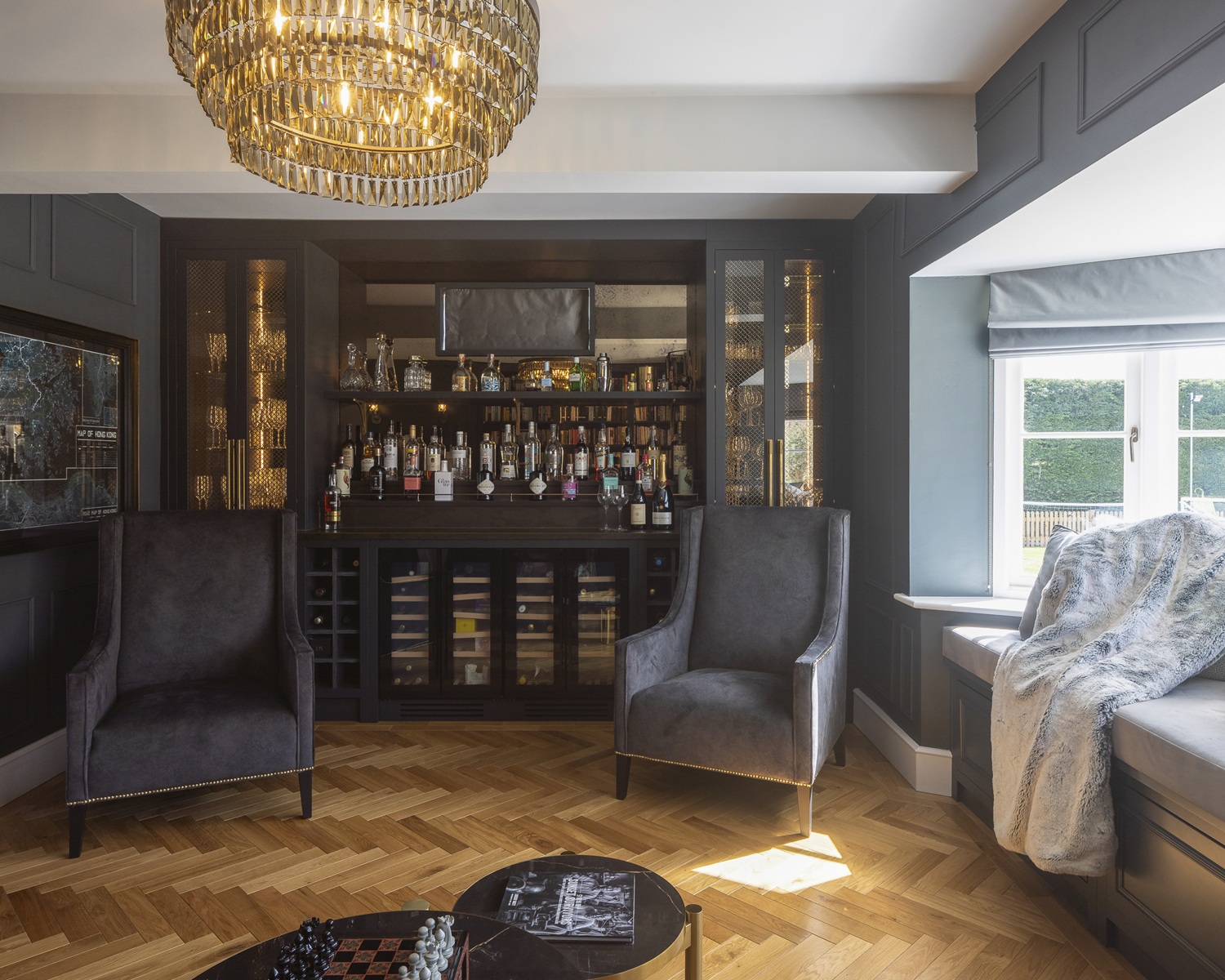
Every great house contains different modes of life. There are spaces for gathering and spaces for retreat; for display and for privacy. There are spaces that create ceremony, and others that offer calm; some that hold objects and some that support entertaining, dressing, working, reading, arriving, leaving and simply being at home.
The Architecture of Living is about giving these experiences form.
It recognises that furniture can do more than provide storage or surface: it can choreograph movement, frame views, heighten atmosphere, express taste and bring a sense of order to even the most complex home.
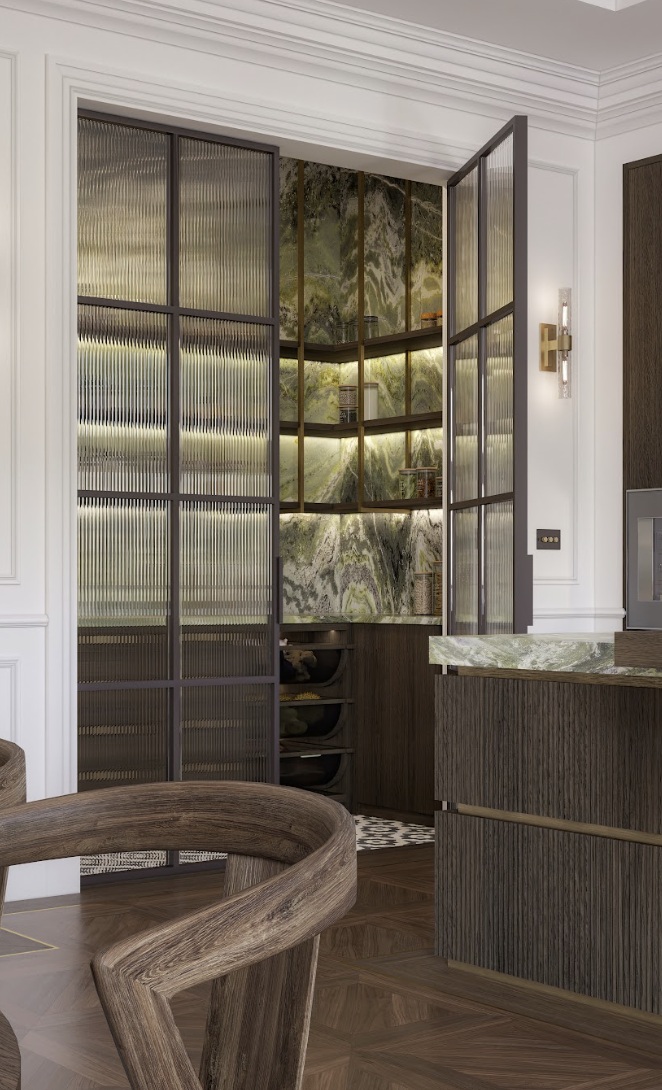
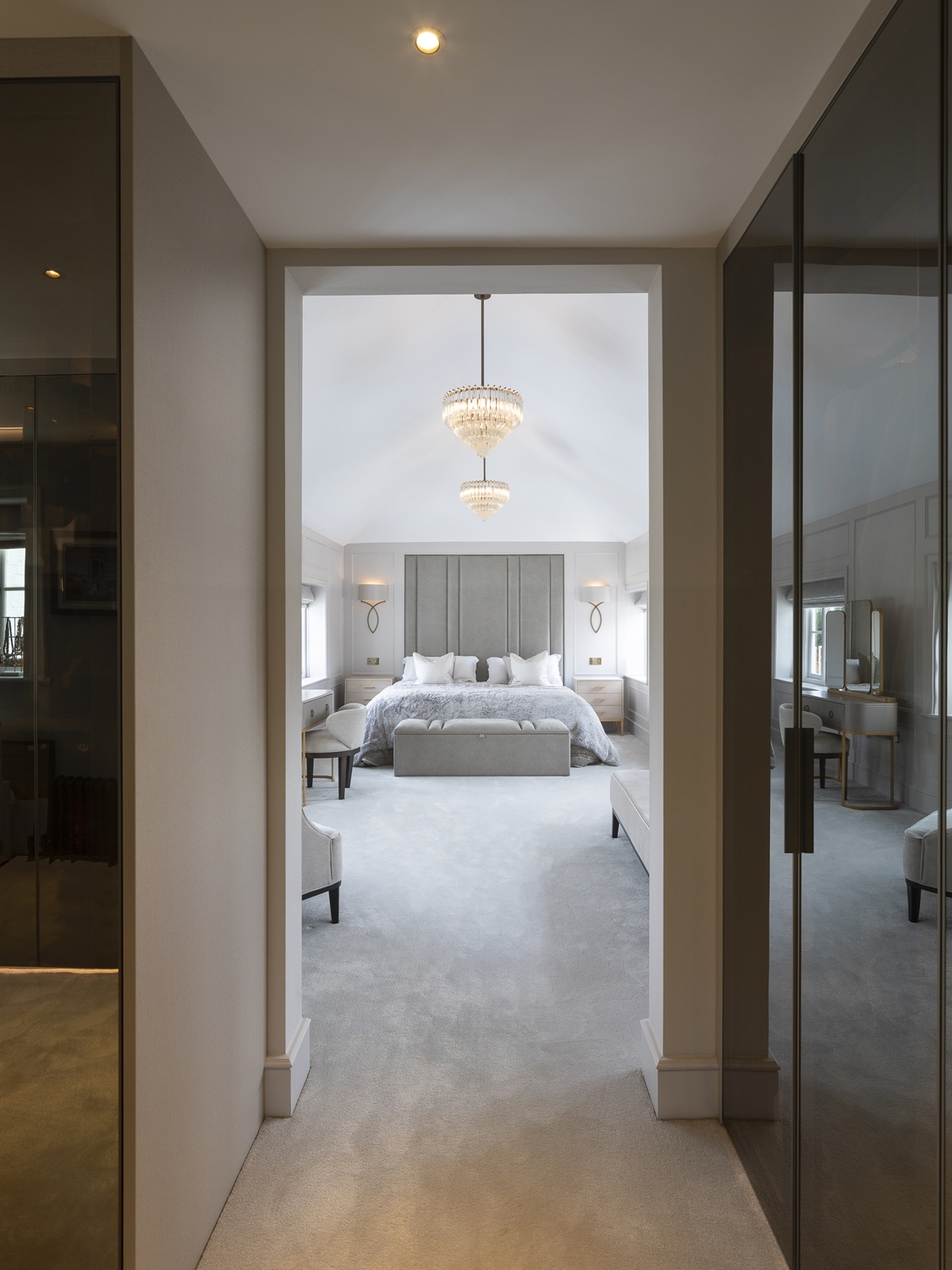
A kitchen in this context is not merely a place to cook but a showpiece or a social centre. A dressing room is not simply a place for clothes, but a private world. A library is not simply shelving, but an atmosphere of concentration and permanence.
This is where bespoke fitted furniture becomes emotionally powerful. It shapes the experience of living beautifully.
Craft, precision and material intelligence
Langstaff brings two worlds together.
On one side are the great English traditions of cabinetry: natural materials, proportion, hand skill, classical reference, an instinctive understanding of houses with history. On the other are the precision-engineered continental system brands, with their architectural clarity, technical confidence and refined modernity.
Advanced manufacturing allows for exceptional accuracy, continuity and control, while hand craft, material understanding and bespoke design prevent the result from feeling standardised or system-led.
The most compelling design requires both the intelligence of architecture and the sensuality of natural materials. Wood, stone, metal, glass, leather, lacquer and specialist finishes all have architectural force when used well. They affect light, weight, tone, temperature and mood. They change the way a room feels before a handle is touched or a drawer is opened.
Material intelligence is therefore central to the architecture of the interior.
Whole-home coherence
The most exceptional homes are rarely experienced one room at a time, but unfold as you move through them. This is why whole-home thinking is so important.
When furniture is considered room by room, the result can be beautiful but fragmented. When it is considered architecturally, each space can speak to the next. Materials recur with variation. Proportions feel related. The house gains coherence without becoming uniform.
For architects and interior designers, this kind of fitted furniture becomes a powerful collaborative tool. It can resolve transitions, soften structural challenges, strengthen the design narrative and give physical expression to the atmosphere a project is trying to create.
For private clients, the result is more instinctive. The home simply feels personal and complete.
The Architecture of Living
The Architecture of Living is a way of thinking about furniture and design at the highest level. It asks not only what a room should contain, but what the room should become.
This is the space Langstaff is exploring: architectural bespoke fitted furniture for homes of rare quality and character. Furniture that belongs to the building and shapes the art of living beautifully.
Book an Appointment
Get in touch today to arrange a personal design consultation in your home or an appointment to visit the Langstaff studio.
Book an appointment
Get in touch today to arrange a personal consultation in your home or an appointment to visit the Langstaff studio.
