

Walnut
Walnut is a timber of depth and refinement; naturally expressive, it brings living character to a home.
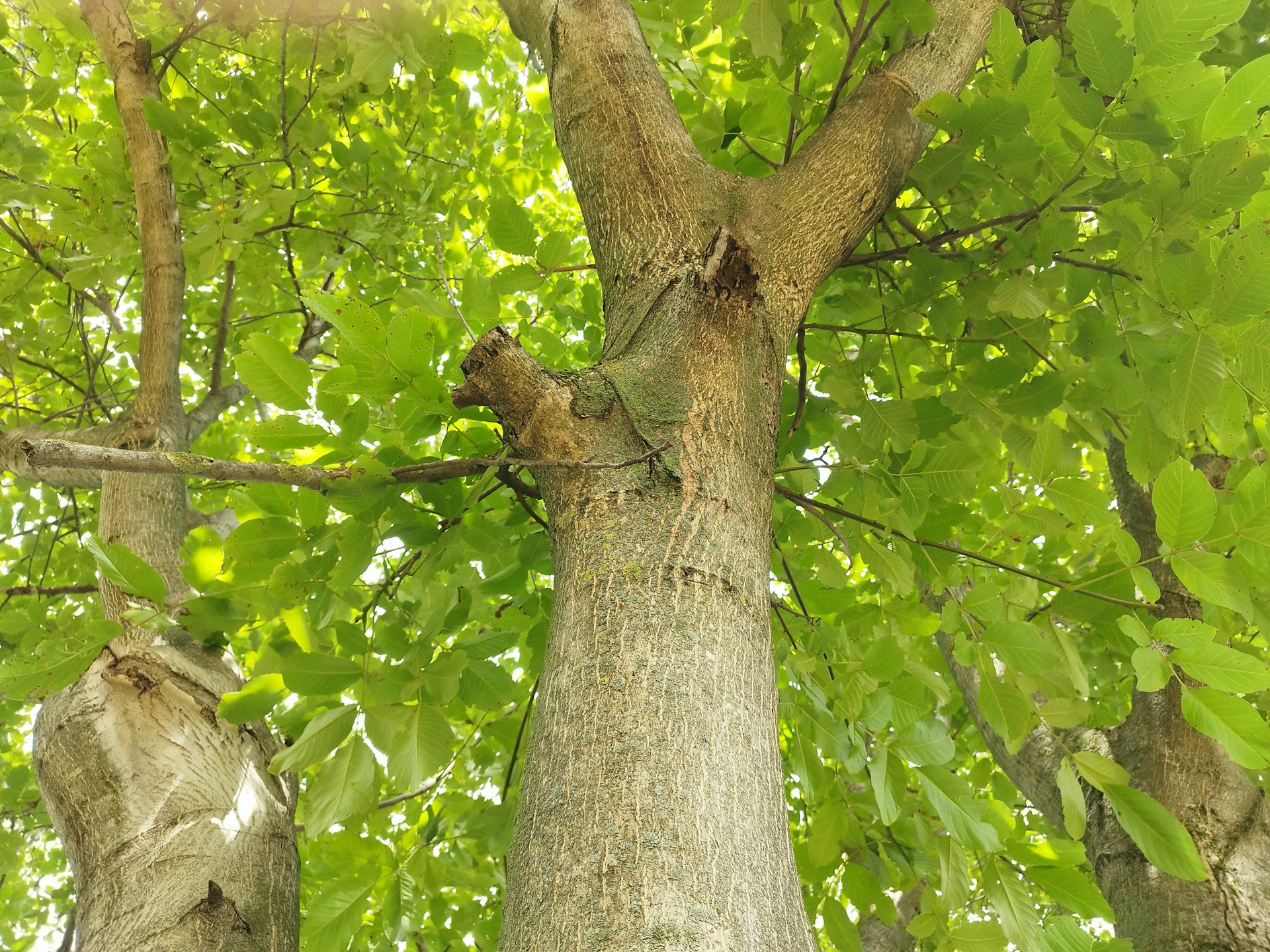
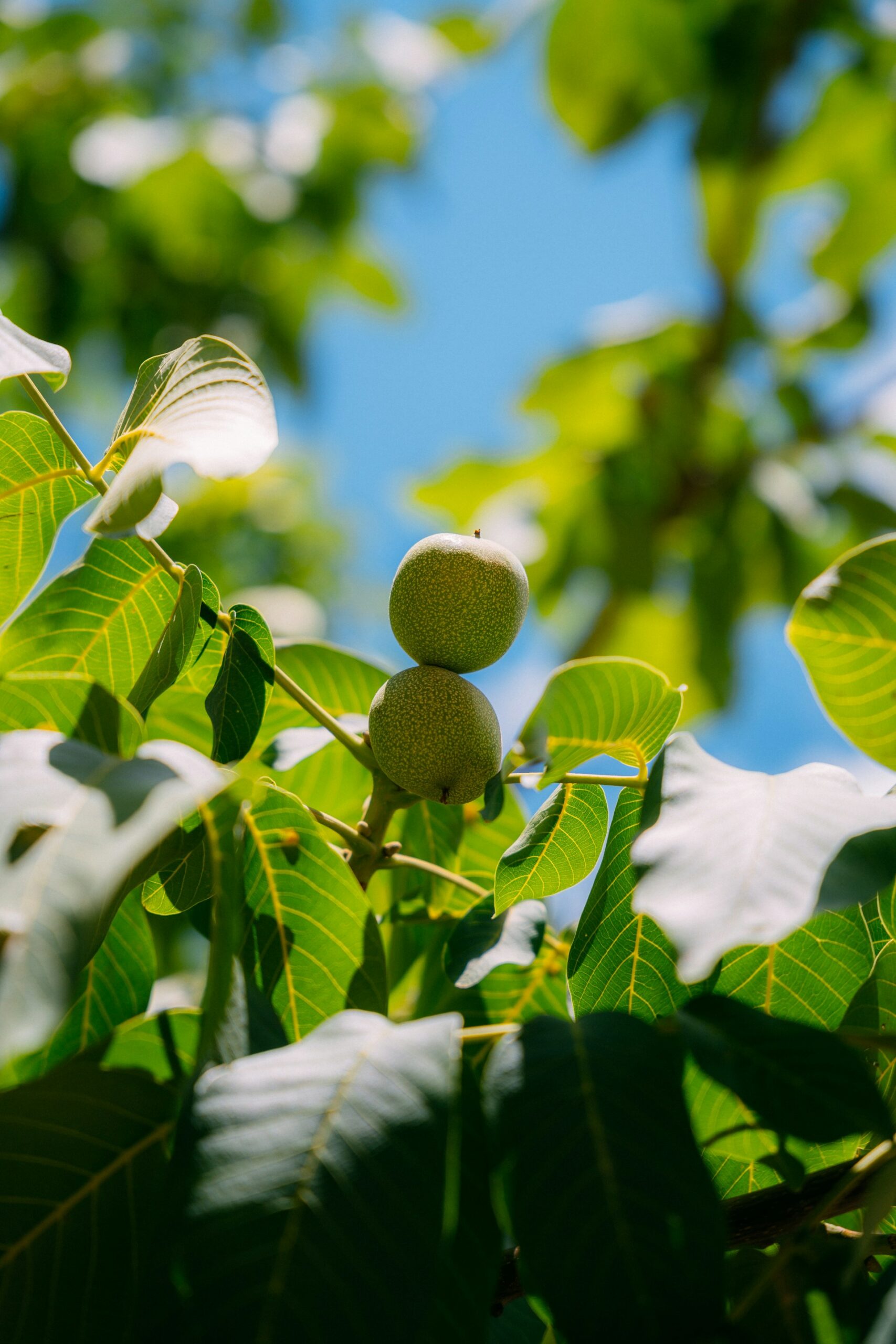
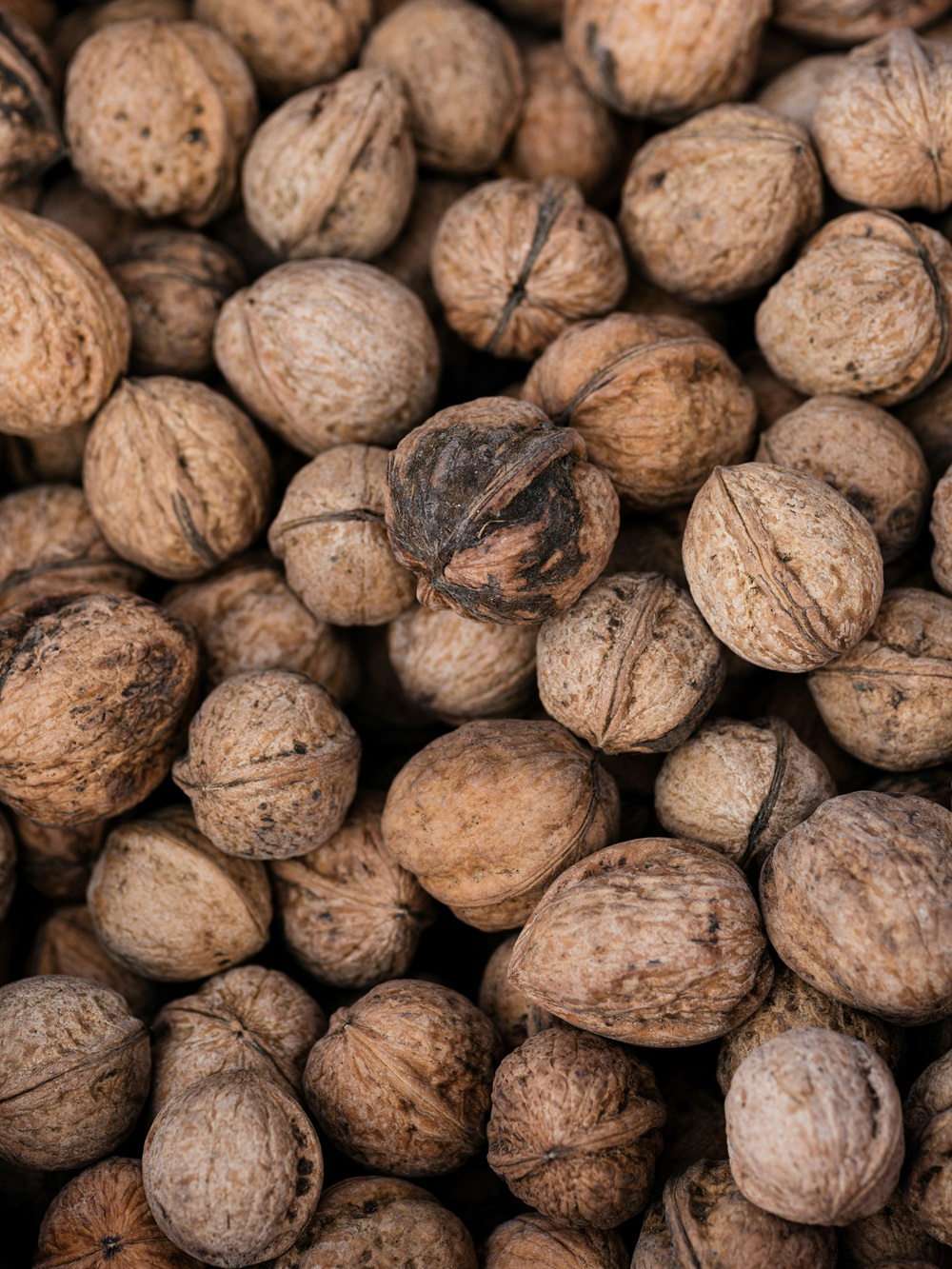
Walnut begins as a tree of the genus Juglans: a broad-leaved hardwood known for its fruit, its generous canopy and the dark, richly figured timber held inside the trunk.
Different species of walnut grow across temperate parts of the world. Common or English walnut, Juglans regia, has a natural range stretching from parts of western Asia towards the Himalayas, and has long been cultivated for its nuts as well as its timber. American black walnut, Juglans nigra, grows across eastern North America and is especially prized for the depth of its heartwood.
This connection between tree, fruit and timber is part of walnut’s appeal. It carries a sense of origin: orchard, woodland, trunk, bark, leaf and nut. Worked into furniture or architectural joinery, it still retains something of that living character.
The colour of walnut is central to its beauty. It can range from warm brown and honeyed grey to deeper chocolate, purple-brown and almost black tones. The grain is often flowing and varied, with a softness that gives the timber movement without harshness.
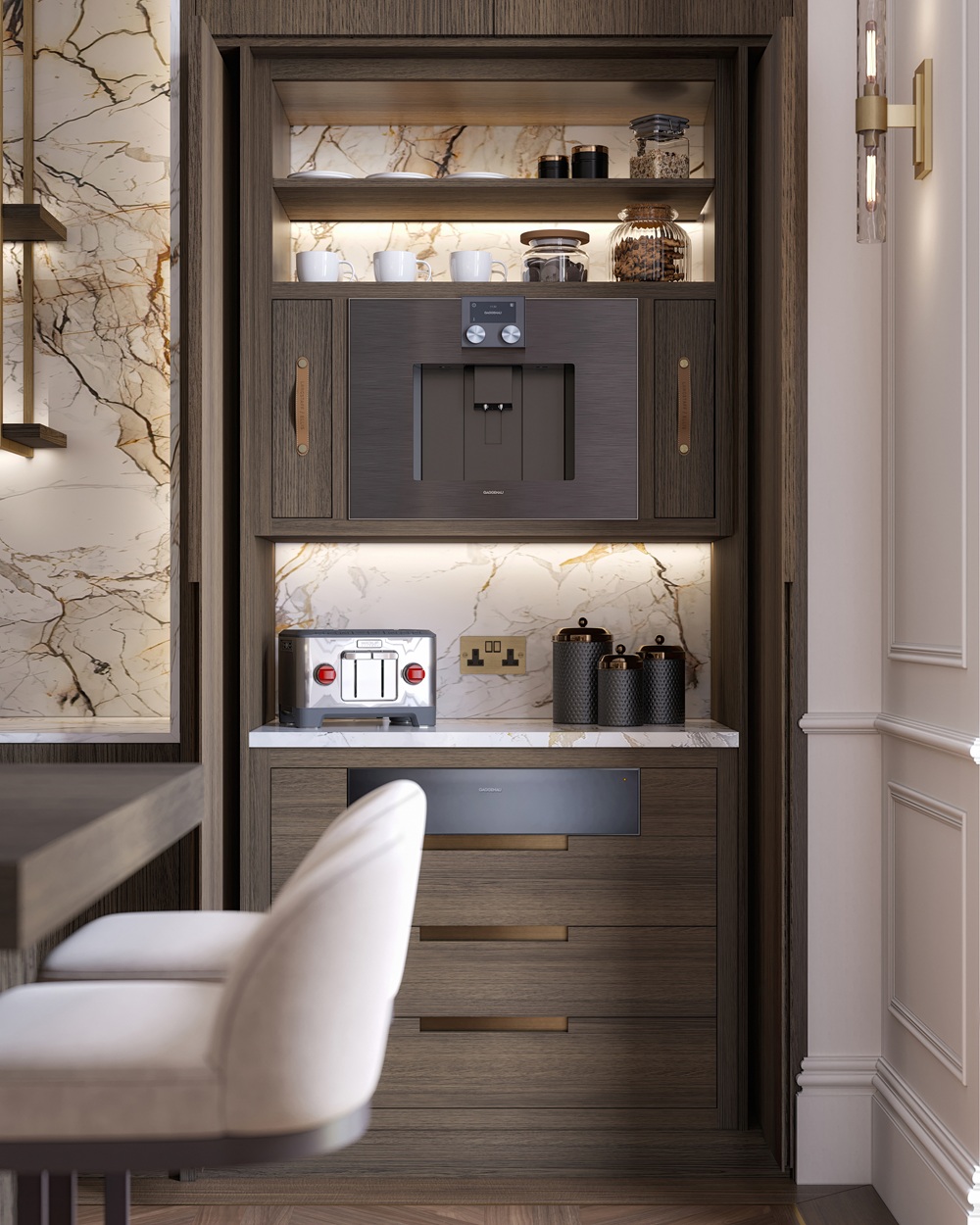
This makes walnut especially valuable in interiors where warmth and richness are needed. It can be an understated element within a room, or give cabinetry, panelling and fitted furniture a more substantial architectural presence.
Walnut also takes finish beautifully. A walnut stain can deepen the timber’s natural colour, drawing out its darker tones and giving the surface a more intense, layered character. The effect can be subtle or strong, depending on the atmosphere required.
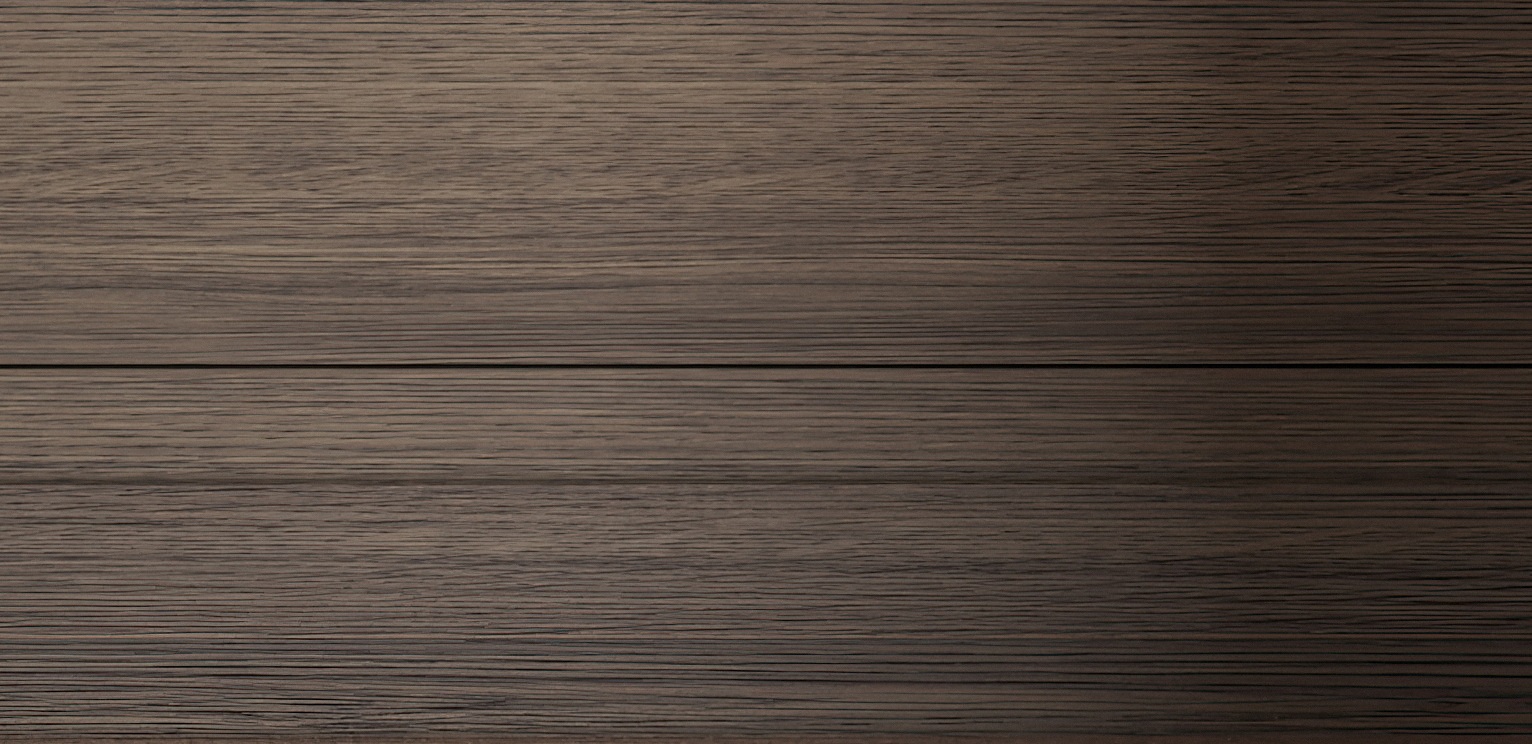
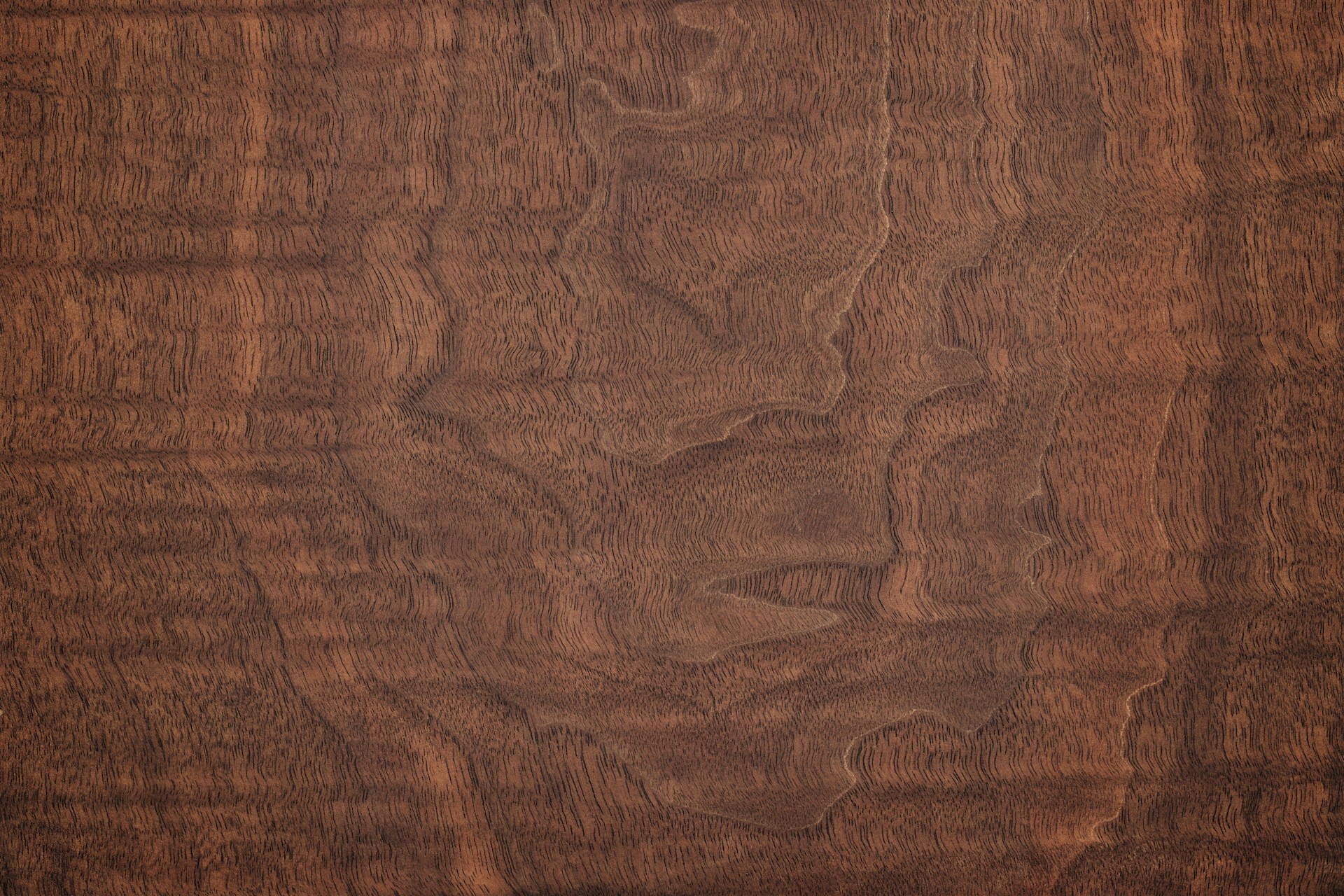
In veneer form, walnut offers another kind of precision. The grain can be selected, matched and composed across doors, panels and larger surfaces, allowing the natural pattern of the timber to become part of the architecture. Bookmatched walnut veneer can create symmetry, while straighter cuts can feel more linear and more architectural.
For Langstaff, walnut is a material of great range. It can be used as a subtle tonal layer, a dark architectural frame, or a defining feature in its own right. It is a natural companion to stone, metal, lacquer or glass, providing a different effect with each. Whether solid, stained, veneered or carefully detailed, it brings texture and permanence to a considered interior.
That is the particular character of walnut: a refined material rooted in tree, fruit and woodland, shaped by craft into furniture, and into architecture with a warm and timeless presence.
Book an Appointment
Get in touch today to arrange a personal design consultation in your home or an appointment to visit the Langstaff studio.
Book an appointment
Get in touch today to arrange a personal consultation in your home or an appointment to visit the Langstaff studio.
